

Choosing the right investment opportunities requires careful planning. It’s essential to align them with your personal financial goals.
Investing can seem overwhelming with so many options available. The list goes on: stocks, bonds, real estate, mutual funds. Each has its benefits and risks. Your financial goals, whether short-term or long-term, play a significant role in deciding which investments are right for you.
Understanding your risk tolerance, time horizon, and financial objectives is key. This blog will guide you through the process, helping you make informed decisions. By the end, you’ll feel more confident about matching your investments with your financial aspirations. Let’s dive in and explore the steps to choose the right investment opportunities tailored to your needs.
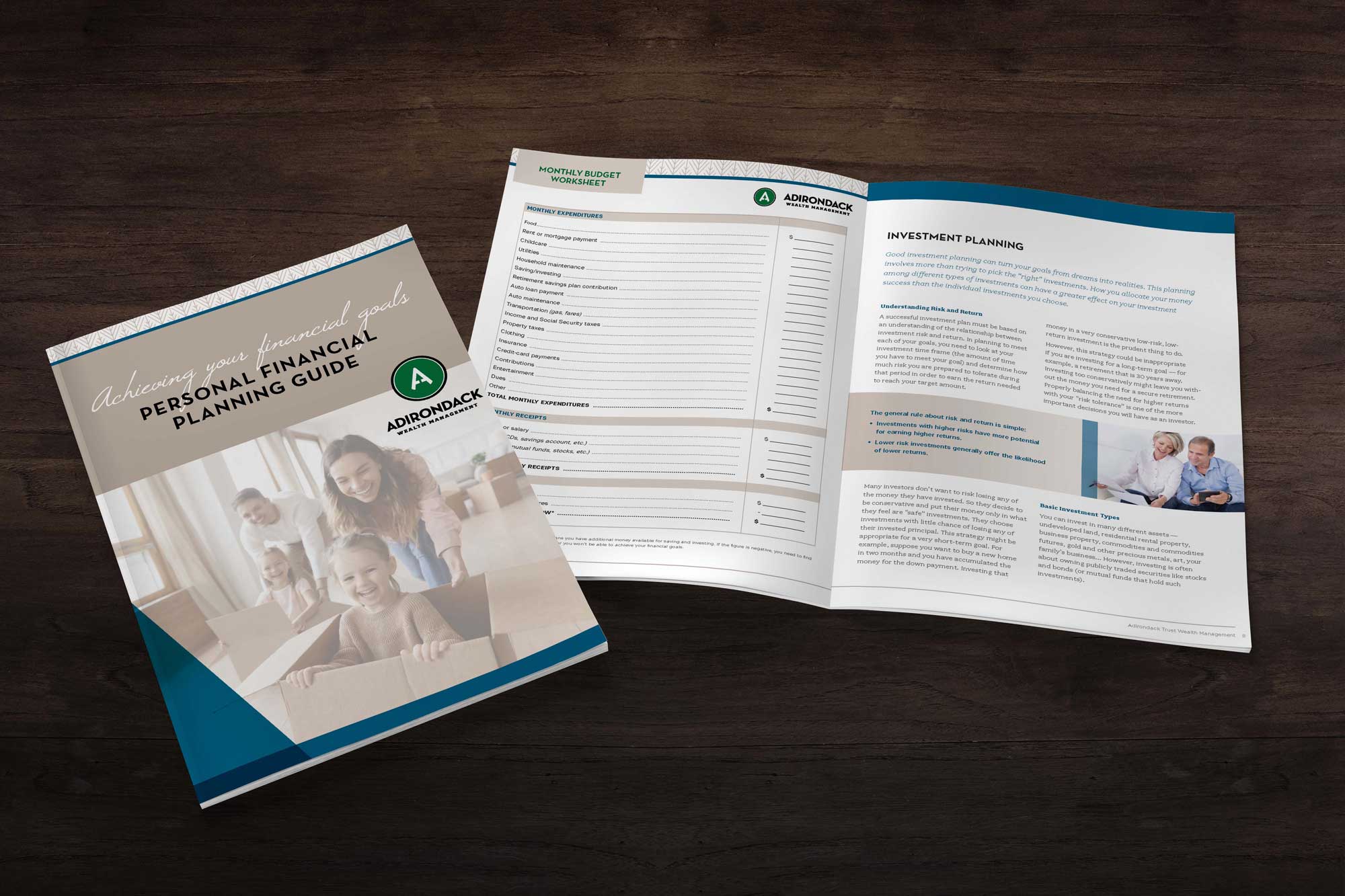
Credit: www.adirondacktrust.com
Contents
Identifying Financial Goals
Choosing the right investment opportunities starts with identifying your financial goals. Knowing what you want to achieve financially helps you select suitable investments. This process involves defining short-term and long-term goals, each with its strategies and timelines.
Short-term Goals
Short-term goals are those you aim to achieve within one to three years. These goals often include:
- Emergency Fund: Saving for unexpected expenses.
- Vacation: Putting money aside for travel plans.
- Small Purchases: Buying a new gadget or furniture.
For short-term goals, consider investments with lower risk and high liquidity. Options include:
| Investment Type | Risk Level | Liquidity |
|---|---|---|
| Savings Accounts | Low | High |
| Money Market Accounts | Low | High |
| Certificates of Deposit (CDs) | Low | Moderate |
These options provide safety and quick access to your money, making them ideal for short-term goals.
Long-term Goals
Long-term goals extend beyond five years and require different strategies. Common long-term goals include:
- Retirement: Building a nest egg for your golden years.
- College Fund: Saving for your children’s education.
- Home Purchase: Accumulating a down payment for a house.
For long-term goals, consider investments with higher growth potential. These can include:
- Stocks: Offer potential for high returns.
- Bonds: Provide steady income and lower risk.
- Mutual Funds: Diversify your portfolio.
- Real Estate: Appreciate over time and generate rental income.
Long-term investments typically come with higher risks, but they offer the potential for greater rewards.
By clearly identifying your financial goals, you can choose the right investments to help you achieve them. This strategic approach ensures that your money works effectively for you and aligns with your financial objectives.
:max_bytes(150000):strip_icc()/personalfinance_definition_final_0915-Final-977bed881e134785b4e75338d86dd463.jpg)
Credit: www.investopedia.com
Assessing Risk Tolerance
Understanding your risk tolerance is vital in choosing the right investment opportunities. It helps you align your investments with your personal financial goals. Let’s explore how you can assess your risk tolerance effectively.
Risk Profile
Your risk profile is a measure of your willingness to take risks. It depends on your financial situation and personal preferences. Here are some key factors to consider:
- Age: Younger investors can often take on more risk. They have more time to recover from losses.
- Income: Higher income can support higher-risk investments. Lower income may require safer options.
- Financial Goals: Short-term goals need safer investments. Long-term goals can handle more risk.
- Investment Experience: Experienced investors may feel comfortable with higher risks. Beginners might prefer lower risk.
| Risk Level | Investment Type |
|---|---|
| Low | Savings accounts, government bonds |
| Medium | Mutual funds, index funds |
| High | Stocks, cryptocurrencies |
Balancing Risk And Reward
Balancing risk and reward is crucial for successful investing. Here are some tips to help you achieve this balance:
- Diversify: Spread your investments across different asset classes. This reduces risk.
- Review Regularly: Check your portfolio often. Adjust it to maintain your desired risk level.
- Stay Informed: Keep up with market trends and news. This helps you make informed decisions.
Remember, higher rewards often come with higher risks. Always consider your financial goals and risk tolerance before investing.
Diversifying Investments
Diversifying investments is a smart way to protect and grow your wealth. You reduce risk and increase potential returns by spreading your money across different assets. This strategy ensures your financial goals are more achievable, even if one investment performs poorly. Below, we explore key diversification aspects: Asset Classes and Sector Diversification.
Asset Classes
Investing in various asset classes is essential. Each class behaves differently in the market. Standard asset classes include:
- Stocks: Ownership in companies. Potential for high returns but with high risk.
- Bonds: Loans to companies or governments. Lower risk and steady income.
- Real Estate: Property investments. Provides rental income and capital appreciation.
- Commodities: Physical goods like gold or oil. Often a hedge against inflation.
- Cash: Savings accounts or money market funds. Low risk but also low returns.
Balancing these asset classes can help you achieve steady growth and reduce risk.
Sector Diversification
Sector diversification involves spreading investments across different industries. This reduces the impact of poor performance in a single sector. Key sectors to consider include:
| Sector | Description |
|---|---|
| Technology | Includes companies like software developers and electronics manufacturers. |
| Healthcare | Includes pharmaceutical companies and medical device producers. |
| Consumer Goods | Includes companies that produce everyday products. |
| Energy | Includes oil, gas, and renewable energy companies. |
| Financials | Includes banks, insurance companies, and investment firms. |
By investing in various sectors, you can enjoy the benefits of multiple industries. This approach ensures that even if one sector faces downturns, others may thrive.
Adequate diversification involves a mix of asset classes and sectors. This strategy helps align your investments with your personal financial goals.
Evaluating Market Conditions
Choosing the right investment opportunities can be challenging. Evaluating market conditions is crucial. This helps you understand the financial landscape and align your investments with personal goals.
Economic Indicators
Economic indicators provide valuable insights. They help you assess the health of the economy. Common indicators include GDP growth, inflation rates, and employment data.
- GDP Growth: A rising GDP indicates a healthy economy. This can mean better investment opportunities.
- Inflation Rates: High inflation can erode your investment returns. Low inflation suggests stable prices and steady growth.
- Employment Data: High employment rates indicate economic stability. Low unemployment often leads to increased consumer spending.
Market Trends
Understanding market trends helps you identify potential growth areas. Look for sectors showing consistent growth or emerging industries.
| Trend | Description |
|---|---|
| Technology | Tech stocks often show high growth potential. Keep an eye on innovations and new products. |
| Healthcare | Healthcare investments can be stable and profitable. Look for advancements in medical technologies. |
| Green Energy | Green energy is gaining momentum. Investments in renewable energy sources can be fruitful. |
Stay updated with current events. Global news can impact market trends, and economic policies and political stability also play a role.
Researching Investment Options
To achieve your financial goals, you must choose the right investment opportunities. Researching investment options is essential to understanding their potential returns, risks, and suitability for your goals. This section will guide you through some popular investment choices.
Stocks And Bonds
Stocks represent ownership in a company. When you buy a stock, you become a shareholder. Stocks can offer high returns but come with higher risks. Bonds are loans to companies or governments. When you buy a bond, you get regular interest payments. Bonds are typically less risky than stocks but offer lower returns.
- Stocks: Higher risk, the potential for high returns
- Bonds: Lower risk, steady income
Consider your risk tolerance. Younger investors might prefer stocks. Older investors might lean toward bonds.
Real Estate And Commodities
Real estate involves buying property to rent or sell. It provides rental income and potential value increase. Real estate can be a stable investment but requires significant capital. Commodities include physical goods like gold, silver, and oil. They can protect against inflation but are subject to market volatility.
| Investment Type | Key Benefits | Key Risks |
|---|---|---|
| Real Estate | Rental income, potential appreciation | High capital, property management |
| Commodities | Inflation protection, tangible assets | Market volatility, storage costs |
Real estate suits long-term investors. Commodities can diversify your portfolio. Analyze your financial situation before investing.
Consulting Financial Advisors
Consulting financial advisors can be key in choosing the right investment opportunities for your financial goals. A financial advisor offers expert guidance tailored to your unique situation, helping you navigate complex investment choices. Working with a professional can save time and reduce stress, ensuring your decisions align with your long-term objectives.
Choosing An Advisor
Finding the right financial advisor is crucial. Start by asking for recommendations from trusted sources. Look for advisors with relevant certifications, like CFP (Certified Financial Planner). Check their experience in handling similar financial goals. Interview potential advisors to understand their approach and fee structure. Choose someone who communicates clearly and understands your financial goals.
Advisor’s Role
A financial advisor assesses your current financial situation. They help set realistic financial goals based on income, expenses, and plans. They recommend investment opportunities that align with your risk tolerance and timeline. Advisors also monitor your investments and adjust strategies as needed. They provide ongoing support to keep you on track toward your financial goals. Working with an advisor lets you make informed decisions and stay confident in your investment choices.
Monitoring Investment Performance
Choosing the right investment opportunities is just the beginning. Monitoring your investment performance is crucial to ensure it aligns with your financial goals. Tracking returns and adjusting your strategy allows you to stay on the right path and maximize your potential gains.
Tracking Returns
Regularly tracking your investment returns helps you understand how well your investments perform. Use tools like spreadsheets or investment apps to monitor:
- Daily, weekly, or monthly performance
- Annualized return rates
- Comparison with benchmarks
Create a table to visualize your returns:
| Investment | Initial Amount | Current Value | Return Rate |
|---|---|---|---|
| Stocks | $5,000 | $6,500 | 30% |
| Mutual Funds | $3,000 | $3,300 | 10% |
Adjusting Strategy
If your investments are not meeting your expectations, adjust your strategy. Consider:
- Rebalancing your portfolio to maintain your desired risk level.
- Diversifying into different asset classes.
- Consulting a financial advisor for expert advice.
Regular adjustments help you stay on track with your financial goals and ensure your investments continue growing.

Credit: rscapital.com
Avoiding Common Pitfalls
Investing can be a powerful tool for reaching personal financial goals. Yet many investors fall into common traps. Avoiding these pitfalls is essential for a successful investment journey. Let’s explore some common mistakes and how to avoid them.
Emotional Investing
Emotions can cloud judgment. Fear and greed often drive poor decisions. It’s easy to panic during market drops. Many sell low and buy high. This approach harms long-term gains. Stick to your plan. Trust your research. Stay calm and think logically. Avoid making decisions based on emotions.
Overtrading
Trading too often can be costly. Each trade incurs fees and taxes. Overtrading often leads to poorer performance. Frequent trading can also cause stress. It’s hard to predict market movements consistently. Instead, focus on long-term investments. Choose quality stocks and hold them. Patience often leads to better results. Control the urge to trade constantly.
Frequently Asked Questions
What Are Investment Opportunities?
Investment opportunities are avenues for investing money to generate returns. They include stocks, bonds, real estate, and mutual funds.
How To Assess Investment Risks?
Assess investment risks by evaluating market conditions, financial health, and potential returns. Understand the volatility and possible losses.
Why Are Financial Goals Important?
Financial goals provide direction and purpose for investments. They help make informed decisions and track progress effectively.
What Factors Influence Investment Choices?
Factors include risk tolerance, investment horizon, financial goals, and market conditions. Personal preferences and financial situations also play a role.
Conclusion
Choosing the right investment can seem challenging. But it’s possible. Understand your goals first. Research different opportunities. Assess risks and potential returns. Diversify your investments. Stay informed and updated. Seek professional advice if needed. Keep your financial goals in mind.
Make informed decisions. Stay patient and consistent. Your future self will thank you.