
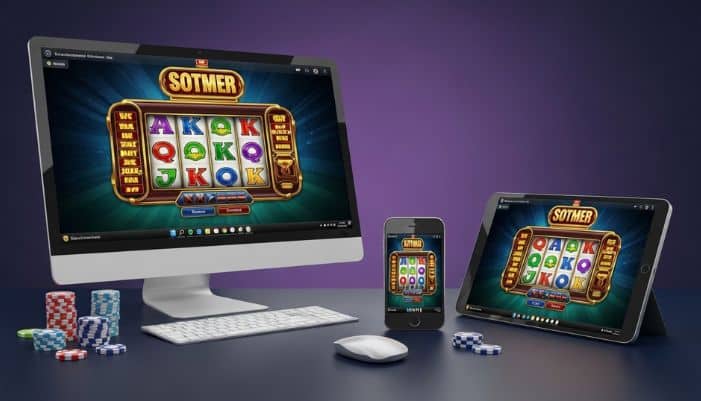
Online slot games are played on a wide range of devices, from desktop computers and laptops to smartphones and tablets. Each of these devices may use different operating systems, screen sizes, processors, and browsers. Because of this variety, developers must ensure that their games run smoothly and reliably across all platforms. This process is known as game stability testing, and it is a crucial part of modern slot game development.
Players exploring digital casino platforms and communities such as Calon4D often switch between devices depending on convenience. A player might begin playing on a desktop computer and later continue on a mobile phone or tablet. To support this flexibility, slot developers conduct extensive testing to confirm that the game functions consistently across all supported devices.
Understanding how developers test slot games across different environments reveals the technical effort required to maintain smooth gameplay and reliable performance.
Contents
- 1 Why Cross-Device Stability Matters
- 2 Testing on Different Screen Sizes
- 3 Testing Across Operating Systems
- 4 Browser Compatibility Testing
- 5 Performance and Load Testing
- 6 Network Stability Testing
- 7 User Interface and Control Testing
- 8 Automated Testing and Simulations
- 9 Continuous Updates and Maintenance
Why Cross-Device Stability Matters
The success of an online slot game depends not only on its visual design and mechanics but also on its technical performance.
Ensuring Consistent Gameplay
Players expect slot games to behave the same way regardless of the device they use. The reels should spin smoothly, the controls should respond instantly, and the game interface should remain clear and readable.
If a game performs well on a desktop computer but encounters problems on mobile devices, the player experience can suffer.
Players browsing slot games on platforms like Calon4D often rely on stable performance to enjoy uninterrupted gameplay sessions.
Supporting a Global Player Base
Online slot games are accessed from many regions and devices around the world. Developers must therefore prepare their games for a wide variety of hardware configurations and internet conditions.
Testing across multiple environments helps ensure that the game remains accessible to players regardless of their device type.
Testing on Different Screen Sizes
One of the first challenges developers address is adapting slot games to different screen sizes.
Desktop and Laptop Displays
Desktop monitors often provide large display areas, allowing developers to show detailed graphics, expanded interfaces, and full background environments.
However, these large screens also require proper scaling so that elements such as buttons and reels remain clearly positioned.
Players exploring slot libraries on platforms such as Calon4D may notice that desktop versions of slot games often display more visual details than mobile versions.
Mobile and Tablet Screens
Smartphones and tablets have much smaller screens, which means that the game interface must adjust accordingly.
Developers test mobile versions of slot games to ensure that:
- Symbols remain visible and readable
- Buttons are large enough for touch controls
- Menus are easy to navigate
These adjustments help maintain usability across different device sizes.
Testing Across Operating Systems
Online slot games must function correctly on several operating systems.
Desktop Operating Systems
Developers test slot games on popular desktop systems such as:
- Windows
- macOS
- Linux environments used by some browsers
Each operating system may handle graphics rendering, input controls, and performance differently.
Players browsing slot games on platforms like Calon4D expect the game to operate consistently regardless of their computer system.
Mobile Operating Systems
Mobile gaming introduces additional complexity because developers must support both major mobile platforms:
- Android
- iOS
Each system uses different development frameworks, security models, and hardware standards. Developers therefore perform separate testing procedures to ensure compatibility with both ecosystems.
Browser Compatibility Testing
Many online slot games are played directly in web browsers.
HTML5 Slot Technology
Modern slots are typically built using HTML5 technology, which allows them to run in web browsers without requiring additional software installations.
However, different browsers may interpret code slightly differently.
Developers test slot games on major browsers including:
- Chrome
- Safari
- Firefox
- Edge
Players exploring slot titles on platforms such as Calon4D may use different browsers, making compatibility testing essential.
Handling Browser Updates
Browsers frequently release updates that may affect how games run. Developers must monitor these changes and update their games when necessary to maintain compatibility.
This ongoing process ensures that slot games remain functional even as browser technologies evolve.
Performance and Load Testing
Another important part of game stability testing involves measuring how well the slot performs under different conditions.
Frame Rate and Animation Testing
Slot games include animations such as spinning reels, cascading symbols, and bonus effects. Developers test these animations to ensure that they run smoothly without lag.
Performance testing checks:
- Frame rate consistency
- Animation smoothness
- Response time of controls
Players browsing slot platforms like Calon4D often expect fluid animations that enhance the gaming experience.
Memory and Resource Usage
Different devices have varying levels of processing power and memory capacity. Developers test slot games to ensure that they do not consume excessive resources.
Optimization may include:
- Reducing graphic file sizes
- Streamlining animation sequences
- Improving code efficiency
These optimizations help maintain stable performance on lower-powered devices.
Network Stability Testing
Online slot games rely on internet connections to communicate with casino servers.
Testing Different Connection Speeds
Developers simulate various network conditions to see how the game performs when internet speeds change.
This includes testing:
- High-speed broadband connections
- Mobile data networks
- Slower connections with higher latency
Players exploring slot games on platforms such as Calon4D may experience different internet conditions, so developers must ensure that the game continues functioning reliably.
Handling Connection Interruptions
Another important aspect of testing involves verifying how the game reacts to connection interruptions.
Developers ensure that if a connection is temporarily lost, the game can recover without losing the player’s progress or spin results.
User Interface and Control Testing
The interface of a slot game must function correctly across different input methods.
Mouse and Keyboard Controls
On desktop computers, players often interact with slot games using a mouse or keyboard.
Developers test these input methods to ensure that:
- Spin buttons respond instantly
- Menus open and close properly
- Bet adjustments function correctly
Players browsing slot games on platforms like Calon4D expect responsive controls that make gameplay smooth.
Touchscreen Controls
Mobile devices rely on touchscreen input. Developers therefore test how the game responds to taps, swipes, and gestures.
This testing ensures that buttons are easy to tap and that accidental touches do not disrupt gameplay.
Automated Testing and Simulations
To speed up the testing process, developers often use automated tools.
Device Emulation
Device emulators allow developers to simulate different phones, tablets, and screen sizes without needing every physical device.
These simulations help identify potential compatibility issues early in development.
Large-Scale Spin Simulations
Developers also run automated simulations involving millions of spins. These simulations help verify both performance stability and mathematical accuracy.
Players exploring slot titles on platforms such as Calon4D ultimately interact with games that have undergone extensive automated testing behind the scenes.
Continuous Updates and Maintenance
Testing does not end once a slot game is released.
Monitoring Game Performance
Developers monitor live performance data to identify potential issues that might appear after launch.
If problems arise, updates can be released to improve stability.
Adapting to New Devices
As new smartphones, tablets, and operating systems are introduced, developers must continue updating their games to support these devices.
Players browsing slot libraries on platforms like Calon4D often benefit from these ongoing improvements, which ensure that slot games remain compatible with the latest technology.
Through a combination of cross-device testing, browser compatibility checks, performance optimization, and network simulations, online slot developers ensure that their games deliver smooth and reliable experiences. These technical processes operate behind the scenes, supporting the visually engaging and interactive slot games that players encounter across a wide variety of devices.
Related posts:
- Google Memory Game 2026: Play Now, Beat Every Level & Unlock the Secret Pi Game
- Best Casino Sites Online Topcasinosites.co 2026: Safe Picks & Big Bonuses
- Art of Zoo 2026: How Zoo Art Makes Visits Fun, Teaches Kids & Saves Animals
- Erome Guide 2026: Features, Uses, Safety Tips & Easy Step-by-Step Guide