
You know that steady thump in your chest? Or the way you breathe in and out without thinking? That is pulsamento. It is the simple rhythm that runs through you and the world around you.
Pulsamento comes from the idea of a pulse or beat. It shows up as the push and pull in your body, the flow in music, the ups and downs of your feelings, and even the seasons outside. When you understand it, life feels easier. You get more energy, less stress, and better focus.
In this guide, you will see exactly what pulsamento is, where it shows up, and how you can use it every day. We cover the same ground as other articles but add fresh science facts from recent studies, real action steps, and a clear plan you can start today. By the end, you will know how to work with this rhythm instead of fighting it.
Contents
- 1 What Is Pulsamento?
- 2 The Role of Pulsamento in the Human Body
- 3 Scientific Evidence Behind Pulsamento
- 4 Pulsamento in Music and Art
- 5 Pulsamento in Sports and Peak Performance
- 6 Emotional and Psychological Pulsamento
- 7 Pulsamento in Nature and the Environment
- 8 Common Challenges and How to Fix Them
- 9 How to Align with Pulsamento in Daily Life?
- 10 The Future of Pulsamento
- 11 Conclusion
- 12 Frequently Asked Questions About Pulsamento
What Is Pulsamento?
Pulsamento is the repeating beat or flow in anything alive or moving. Think of your heartbeat. It goes thump… pause… thump. Or your breath: in… out… in… out.
The word comes from Latin roots that mean “to beat.” It is not just one thing. It is the pattern that keeps systems going strong. In your body it is the pulse. In music it is the groove that makes you tap your foot. In life it is the natural rise and fall of energy.
You feel pulsamento when a song makes you move or when a deep breath calms you down after a busy day. It is the hidden rhythm that makes everything feel alive. Without it, things feel flat or stuck.
Pulsamento shows up everywhere once you start looking. It connects your inside world to the outside world. And the best part? You can learn to notice it and work with it for better health and happiness.
The Role of Pulsamento in the Human Body
Your body runs on many rhythms. The biggest one is your heartbeat. It pumps blood all day and night. Next comes your breath. You breathe about 20,000 times a day without thinking.
These beats keep you alive. Your brain also has rhythms. When you focus, your brain waves speed up. When you rest, they slow down. Even your sleep follows a 24-hour cycle called the circadian rhythm.
When these rhythms stay steady, you feel good. You wake up fresh. You think clearly. Your mood stays even. But when they get out of sync—maybe from late nights or too much screen time—you feel tired, cranky, or sick.
Pulsamento in the body is like the drum that keeps the band playing together. It helps your heart, lungs, and brain work as one team.
Scientific Evidence Behind Pulsamento
Recent studies show your brain actually pulses with every heartbeat. In 2024, scientists found special cells in the brain that feel these tiny movements. The cells help keep your thoughts and feelings steady.
Other research looked at heart rate variability (HRV). This measures how much your heartbeat speeds up and slows down. People with good HRV handle stress better and feel calmer. Doctors now use simple apps or watches to check it.
One big finding: when you breathe slowly, your heart and brain sync up. This lowers stress fast. Another study showed that people who move to a steady beat—like walking or dancing—improve their focus and memory.
These facts prove pulsamento is real, not just a nice idea. It is something you can measure and improve right now.
Pulsamento in Music and Art
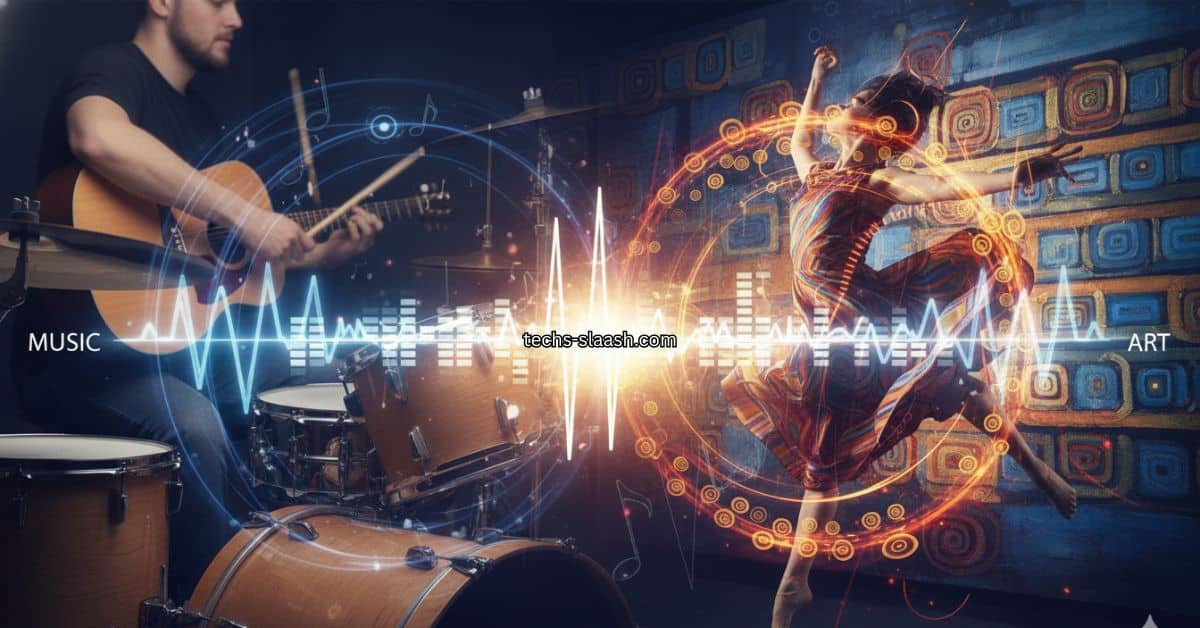
Music lives on pulsamento. The steady drum beat or guitar strum gives a song its life. Without it, the music feels dead.
Listen to any hit song. You tap your foot because the rhythm pulls you in. Pauses matter too. They create excitement before the next beat drops.
In art, you see the same idea. A painting uses repeating lines or colors to guide your eyes. The spaces between shapes create rhythm. Dance takes it further: your body matches the music beat for beat.
Pulsamento turns sound and pictures into feelings. It is why a good song can lift your mood in seconds.
Pulsamento in Sports and Peak Performance
Athletes use pulsamento every day, even if they do not call it that. Runners match their steps to their breath. Swimmers time their strokes to the water’s flow. Boxers use rhythm to dodge and hit.
Top players train their body’s natural beat. They warm up with steady movement so heart rate and breathing stay in sync. This gives them more power and less tiredness.
You can try it too. Next time you exercise, pick a song with a strong beat. Move with it. You will last longer and enjoy it more. Studies show rhythmic movement improves timing, balance, and even reaction speed.
Pulsamento turns hard workouts into smooth, easy flow.
Emotional and Psychological Pulsamento
Your feelings have their own rhythm. You feel excited, then calm. Stressed, then relaxed. Happy, then a little sad. These ups and downs are normal.
Good emotional health comes from letting the rhythm happen. Constant stress breaks the pattern and wears you down. But short bursts of effort followed by rest build strength.
In relationships, pulsamento shows as talk and listen, close and space. When both people respect the natural flow, the bond stays strong.
Noticing your emotional beats helps you respond better. You learn when to push and when to rest. This makes you more patient and kind to yourself and others.
Pulsamento in Nature and the Environment
Nature runs on big rhythms. Day turns to night. Seasons change. Tides go in and out. Trees grow, rest, then grow again.
These patterns keep the planet balanced. Animals migrate when the seasons tell them. Plants bloom at the right time.
You feel calmer after a walk in the woods or by the sea because your body syncs with nature’s pulse. Watching waves or listening to rain reminds you that everything moves in cycles. Nothing stays the same forever, and that is okay.
Common Challenges and How to Fix Them
Fast life breaks your natural rhythm. Late nights, constant noise, and no breaks throw everything off. You feel tired even after sleep.
Here are the top problems and easy fixes:
- Problem: Irregular sleep. Fix: Pick the same bedtime and wake time every day, even weekends.
- Problem: Too much screen time. Fix: Take a 5-minute break every hour. Stand up, stretch, and breathe slowly.
- Problem: Constant rush. Fix: Add one short rest between tasks. Sit quietly for two minutes.
Small changes bring your pulsamento back fast. You will notice more energy in just a few days.
How to Align with Pulsamento in Daily Life?
You do not need fancy tools to start. Here is a simple plan you can follow today.
7-Day Starter Plan
- Morning: Sit for 3 minutes. Breathe in for 4 counts, out for 6. Feel your heart.
- During the day: Walk for 10 minutes at a steady pace. Match steps to your breath.
- Evening: Turn off screens 30 minutes before bed. Listen to soft music with a slow beat.
- Once a week: Dance or move freely to any song you like. No rules.
Quick Tips to Stay in Rhythm
- Eat at regular times.
- Drink water when you feel low energy.
- Say no to extra tasks when you feel tired.
Here is a helpful table of daily beats:
| Time of Day | Pulsamento Example | Easy Action You Can Take |
|---|---|---|
| Morning | Heart starts strong | 3 minutes of slow breathing |
| Midday | Energy dip | 5-minute walk with steady steps |
| Afternoon | Focus needed | Play music with a clear beat |
| Evening | Wind down | Match breath to relaxing music |
| Night | Body rests | Same bedtime every night |
Use this table as a reminder. Stick with it and your body will thank you.
The Future of Pulsamento
New tech makes it easier to track your rhythms. Watches now show heart rate, sleep patterns, and even stress levels. Doctors use this info for better care.
In the coming years, more people will build their days around natural beats instead of fighting them. Workplaces may add short rest breaks. Cities may add green spaces so everyone can feel nature’s pulse.
Pulsamento is not a trend. It is how life has always worked. The future just helps us notice it more.
Conclusion
Frequently Asked Questions About Pulsamento
What does pulsamento mean in simple words? It means the natural beat or rhythm in your body and life, like your heartbeat or the flow of a song.
Is pulsamento the same as a heartbeat? It includes your heartbeat but also breathing, brain waves, emotions, and even nature’s cycles.
Can kids use pulsamento ideas? Yes! Simple breathing or dancing to music helps kids focus and feel calm.
Do I need special tools? No. Your own breath and a watch or phone timer are enough to start.
How fast will I see results? Many people feel calmer in one day. After one week of steady routines, energy and mood improve a lot.
What if I have a busy schedule? Start with just two 3-minute breathing breaks. Small steps still work.
Is pulsamento only for health? No. It helps music, art, sports, work focus, and relationships too.
Can pulsamento help with stress? Yes. Slow, steady breathing matches your body’s natural rhythm and lowers stress fast.
Does age matter? No. Young or old, everyone has these rhythms and can improve them.
Where can I learn more? Keep noticing your own body and the world. The best teacher is your daily life.